A new free trade agreement between Australia and the European Union is being welcomed by some local producers, while others warn it could leave key farming sectors worse off.
After eight years of negotiations, the Federal Government has announced the Australia–European Union Free Trade Agreement, which will see 98 per cent of Australian exports enter the European market tariff free. The deal opens access to around 450 million consumers across 27 countries.
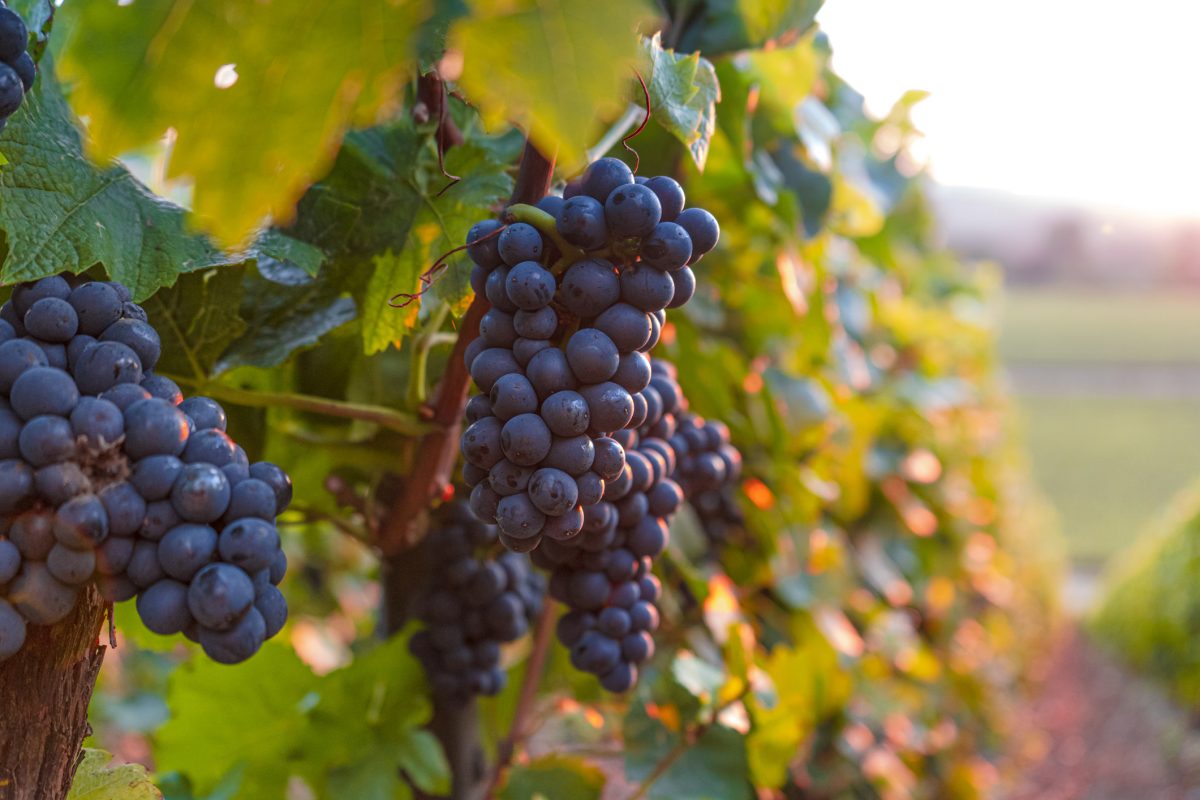
For regions like the Adelaide Hills, Fleurieu Peninsula and Murraylands, the agreement could create new export opportunities across several key industries. Wine producers in McLaren Vale and the Adelaide Hills stand to benefit from the removal of EU tariffs, which the government says will save exporters around $37 million annually.
Horticulture producers in the Adelaide Hills, including apples, cherries and nuts, are also expected to gain improved access, along with olive oil, honey and vegetable growers across the Fleurieu Peninsula and Kangaroo Island. Grain producers in the Murraylands could benefit from reduced barriers on wheat and barley exports into Europe.
However, the deal has drawn criticism from sections of the agriculture sector and the Federal Opposition, who argue it fails to deliver meaningful gains for farmers.
Liberal Member for Barker Tony Pasin says many producers are concerned about the outcome.
“Aussie farmers are calling this the worst ever free trade agreement. Sheep producers have said they’ve been ‘sold out’, the National Farmers Federation says it is incredibly disappointing and the forest sector is worried about cheap European imports flooding our market,” Pasin said on social media.
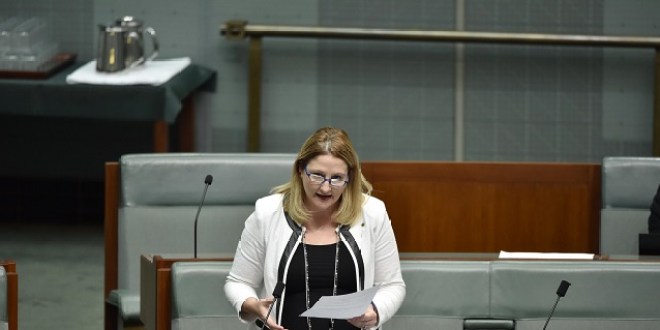
Pasin was also ordered out of the House of Representatives for three hours during heated debate on the deal this week, under new parliamentary rules aimed at maintaining order in the chamber.
Industry groups have raised concerns about limited access for red meat and dairy exports, as well as the introduction of European-style naming protections. While Australian producers can continue using terms like ‘parmesan’ domestically, some names including ‘feta’ and ‘gruyere’ will face restrictions over time.
Wine has also been caught up in the debate. While the use of the term ‘Prosecco’ will continue in Australia, a 10-year phase-out will apply to exports to the European Union. Industry body Australian Grape & Wine maintains Prosecco is a grape variety, not a protected regional name.
The Federal Government says the deal will diversify Australia’s trade relationships and strengthen resilience in a volatile global market, while also lowering the cost of imported goods such as machinery and vehicles for local businesses.
The agreement will come into force once both Australia and the European Union complete their domestic approval processes.