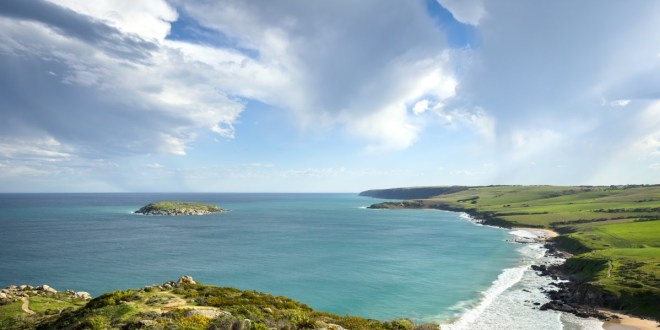
A major expansion of Coorong National Park is set to transform a former cattle station into a vital wetlands habitat, strengthening environmental protection across the Murray Mouth region.
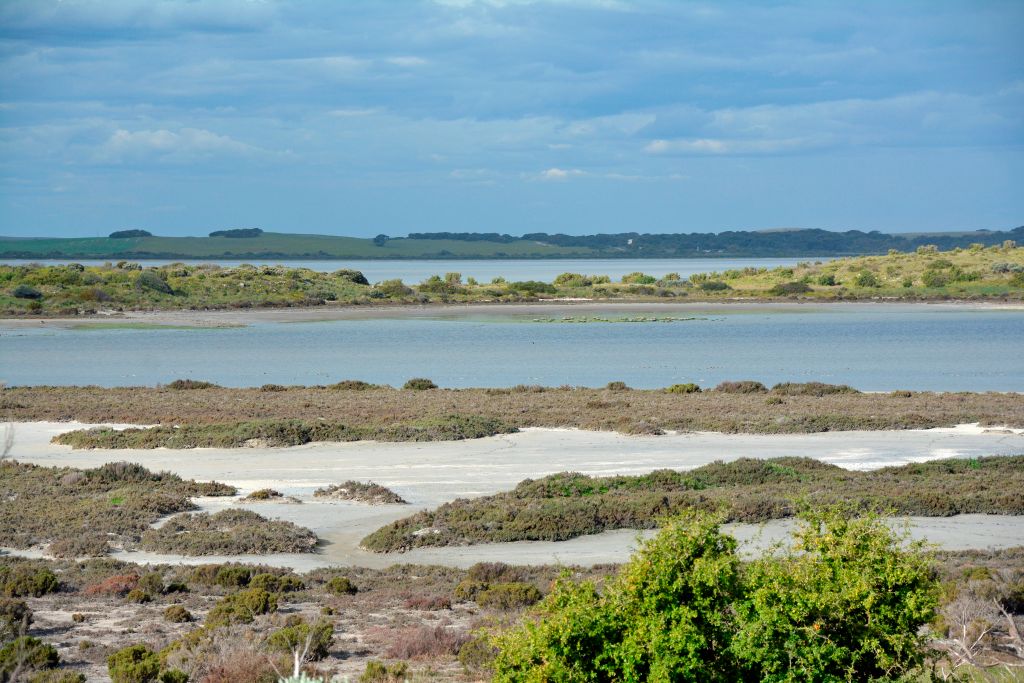
Mundoo Island Station, a 1,900-hectare property just south of Goolwa, has been acquired through a partnership between the State and Federal governments and the Foundation for National Parks and Wildlife. The land will be added to Coorong National Park, increasing the internationally recognised reserve to more than 50,000 hectares.
The $7.5M acquisition includes Mundoo, Ewe and Long Islands, along with surrounding islands off the eastern tip of Hindmarsh Island. The site sits at the end of the River Murray and forms part of the Coorong and Lakes Alexandrina and Albert Ramsar wetland, one of Australia’s most important wetland systems.
After more than a century of cattle and sheep grazing, the station will now be destocked, with cropping and fertiliser use to cease. The shift will allow large-scale wetland restoration and rehabilitation, improving water quality and reducing nutrient runoff into the Murray Mouth.
The expanded park is expected to provide stronger habitat for native shorebirds and dozens of migratory species, including the critically endangered curlew sandpiper and far eastern curlew. It will also create opportunities to reintroduce threatened fish such as the Yarra pygmy perch, southern pygmy perch, Murray hardyhead and purple-spotted gudgeon.
Premier Peter Malinauskas says the change will deliver lasting environmental benefits for the region.
“By transforming the island from a grazing property into a park, we can help restore the environment, protect threatened species and improve water quality,” he said.
The existing Lawari Conservation Park on nearby Hindmarsh Island will also be incorporated into Coorong National Park, with a new management plan to guide the expanded reserve.
Beyond its environmental value, Mundoo Island holds deep cultural significance for the Ngarrindjeri people, with registered Aboriginal heritage sites across the land. The Department for Environment and Water will work alongside the Ngarrindjeri Aboriginal Corporation to ensure these areas are protected, including the culturally important Meeting of the Waters.
Ngarrindjeri Aboriginal Corporation executive officer Bill Wilson welcomed the move, saying the organisation looked forward to working in partnership with the state government to care for the island into the future.
The expansion also supports the state and federal governments’ 30 by 30 commitment to protect 30 per cent of Australia’s land and marine areas by 2030. Since taking office, the Malinauskas Government has added nearly 31,000 hectares to South Australia’s national parks, helping safeguard biodiversity while boosting nature-based tourism.
Foundation for National Parks and Wildlife chief executive Ian Darbyshire described the acquisition as a major step forward for conservation.
“This marks a significant milestone in protecting Australia’s unique environment and First Nations cultural heritage,” he said.
With restoration work set to begin, Mundoo Island’s transition from working station to protected wetlands is expected to play a key role in strengthening the ecological health of the Coorong and the wider Murray Mouth region for generations to come.